


When it comes to Formula One race calendars, fans have long debated which races would make up the perfect calendar so we take a look at how an ideal F1 calendar could look.
From traditional circuits like Silverstone and Interlagos to modern circuits like Baku and Yas Marina, striking the perfect balance to delivering a strong calendar of global races is no easy task if F1 is to maintain its popularity whilst building for the future.
Financial fees have also left various circuits facing potential cancellations of their Grands Prix whilst questions are proposed regarding geography of races as Liberty Media aim for a 25 race calendar.
Abu Dhabi meanwhile pays one of the highest race hosting fees to secure the season finale slot, yet has produced several boring races so imagine calendars with a better season finale circuit if snub race hosting fee factor.
We are therefore going to take a look at what would make the perfect race calendar of a more conventional 16-19 races per season, as seen at the sport’s peak from mid 80s through to the 2000s.
Core Races
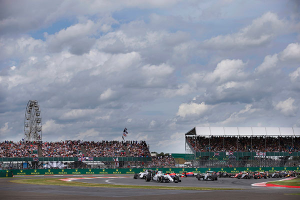

Core races should consist of iconic circuits with plenty of F1 history or nostalgia attached to them that are solid ever-present.
If think of historical aspect then you instantly have seven circuits which would be worthy of being classed as core races and instant thoughts to place on the calendar every season with Silverstone and Monza literally unmoveable unless want to court fury from fans;
- Interlagos (Brazil)
- Autodromo Hermanos Rodriguez (Mexico)
- Monaco
- Monza (Italy)
- Silverstone (Great Britain)
- Spa Francorchamps (Belgium)
There are also classic old-fashioned circuits like Zandvoort and Nurburgring which could be described as historical, yet F1 haven’t visited either tracks for a number of years even though Nurburgring was revisited as an one-off last season due to Coronavirus.
It however is questionable whether either Zandvoort or Nurburgring would be capable of having the financial backing year in year out to justify being a core race without being put in doubt if finances were to take a serious knock.
As for nostalgia aspect, I would say that Australia and Japan deserve nods because for those old enough to remember, those two races provided perfect all-nighter weekend excuses and even still do now for Fridays and Saturdays at least.
USA also stirs up nostalgia but there has been several races under various Grand Prix banners in America, which dilutes the nostalgic aspect of the US Grand Prix given that it has been held at various tracks from Watkins Glen to Circuit of the Americas yet it feels like it would belong in a core races list.
Canada meanwhile has a blend of history and nostalgia having often been the scene of various thrillers from Jenson Button’s comeback win in 2011 to Nigel Mansell’s last lap gearbox failure in 1991 to name just a few memorable moments from the Canadian Grand Prix
I therefore would consider the following races as core races that would be a certainty across various calendars; Australia, Belgium, Brazil, Canada, Great Britain, Italy, Japan, Mexico, Monaco and USA.
Zandvoort and Nurburgring meanwhile would certainly fit on a rotating calendar, which allows for a variety of different races each season and both races can afford race hosting fees on a biannual basis compared to a yearly basis.
Rotating Races

Rotating races surely would help keep F1 race calendars fresh if take 13 races on 2021 calendar not included on core plus Istanbul, Portimao, Imola and Mugello and divided them into smaller groups because could rotate calendars on a recurring basis.
Add in geographical factor then there is the opportunity to really come up with a shorter but clever calendar of rotating races given that there are 11 races in Europe compared to just two and three respectively in Asia and Middle East.
Splitting rotating races into one group of eight and another of nine therefore would make ideal sense with a balance of races to meet three continents requirement for a normal regular season, plus if kept Spain and Portugal plus Imola and Mugello apart from geographical rotation purpose here’s how rotating groups look.
| Group One | Group Two |
| Spain | Portugal |
| Germany | France |
| Mugello | Netherlands |
| Austria | Imola |
| Hungary | Azerbaijan |
| Bahrain | Russia |
| Saudi Arabia | Singapore |
| China | Abu Dhabi |
| Turkey |
How would an overall calendar look?

Now that we’ve established our idea of core and rotating races, geography would therefore be the most logical aspect to focus on if merged each rotating group and core races list into a calendar with two alternating calendars to help rotating races in terms of race hosting fees.
Focusing on core races and Group One whilst considering geography and weather implications plus Monaco’s traditional slot of Memorial weekend in late May, here is how a calendar containing the first group of rotating races plus core races could look.
| Rotating Calendar One |
| Australia |
| Japan |
| China |
| Saudi Arabia |
| Bahrain |
| Spain |
| Monaco |
| Great Britain |
| Belgium |
| Germany |
| Austria |
| Hungary |
| Monza |
| Mugello |
| Canada |
| USA |
| Mexico |
| Brazil |
Under this calendar, I would open with a bold triple-header to reduce costs followed by Saudi Arabia and Bahrain, before commencing the traditional European leg with Spain and slowly moving across Europe until early September.
From a logistics perspective given how hot Mexico and Brazil can get during summer plus Canada needing to be held before late October ideally to avoid risk of snow, I would conclude the season with a triple headed Americas leg of Canada, USA and Mexico with Brazil as a standalone finale.
Concluding the season in Brazil as a standalone makes perfect sense because there is no better place to conclude the season than at Interlagos regardless of if the title is at stake or not, given the thrills that we often saw at Interlagos in terms of competitive racing and rain variable adding extra spice.
Now if look at rotating calendar, two I have gone for something largely similar but with various differences to first rotating calendar hypothesis as you can see below;
| Rotating Calendar Two |
| Australia |
| Japan |
| Azerbaijan |
| Turkey |
| Portugal |
| Monaco |
| France |
| Great Britain |
| Belgium |
| Monza |
| Imola |
| Netherlands |
| Russia |
| Singapore |
| Abu Dhabi |
| Canada |
| USA |
| Mexico |
| Brazil |
Australia and Japan would kick-start the season as a double-header followed by Azerbaijan and Turkey back-to-back, before kicking off the traditional European leg in Portugal followed by Monaco and France, of which the latter two would form a double-header.
Mid-season would see a run of traditional iconic races as two pairs of races across consecutive weekends with Great Britain and Belgium paired together, ahead of Monza and Imola forming a Italian double bill on consecutive weekends to lead into the summer break.
Netherlands and Russia would form a post summer break return followed by a double-headed trip to Singapore then Abu Dhabi in mid September, although Abu Dhabi has hot weather in September so I would shift FP1 to a Thursday evening local time akin to how MotoGP used to run their Qatar weekends.
Canada would then again kick-off the Americas leg albeit at start of October followed by US and Mexican Grands Prix, before the season once again concludes at Interlagos, Brazil just like in the first rotating calendar.
[poll id=”16″]